Development & design as a service

    Start well. With the right expert.

    Meet a domain expert who wants to understand your business. Discuss your ambitions, explore what AI-native working can mean and agree a clear first step. Our experts and agent team then bring your way of working to life on APPSS.

    Meet your domain experts

    Our personal approach

    Get to know each other. Then move forward together.

    First, we get to know each other.

    Talk with the expert who understands your domain. Share where you are and what you want to change. Together, we explore where APPSS can add value.

    Your work sets the starting point.

    Your expert asks about processes, exceptions and ambitions. Your people bring the practical knowledge; we connect it with the possibilities of AI-native ways of working.

    Your everyday work
    What works well and where does your team get stuck?
    Your ambitions
    What would you like to improve for your people and customers?
    Your environment
    Which systems work well, what can be replaced and which customer data do colleagues need to keep using?

    Clarity about working together.

    Your expert explains our process and how we will work together. You know the first step and who makes each decision.

    Scope and roles
    What do we address first, who participates and who reviews the result?
    Budget and timing
    We agree the work, costs and introduction upfront.
    Operations and next steps
    Support, ongoing development and your SLA have a clear place.

    Experience it through your own work.

    Your expert guides the agent team through the agreed first implementation. Your people review a working proof using their own examples. You experience what people and AI agents working together can mean for your business.

    From conversation to evidence
    Your people try daily tasks with familiar customer data. See what stays, what can change and where duplicate entry disappears.
    You decide what follows
    Use the proof to agree the next development or migration step.

    Your business sets the direction. Our experts guide you.

    01 / 04

    The human factor

    Expertise in the engine. Attention for your business.

    Our experts have built their experience in ERP, e-commerce, platform innovation and knowledge architecture. Because they know their domains from the inside, they understand where AI fundamentally changes the work. That expertise is the foundation of APPSS: it guides how we configure the engine, which business rules lead and how our agent team develops and reviews the implementation.

    • David Smits

      Architecture & business knowledge

      David Smits

      Architect and business knowledge graph expert

      Built an adaptive knowledge engine for learning management systems during his PhD research at TU/e. Now applies that research foundation to the APPSS architecture and to training, guiding and keeping the agent team up to date.

      LinkedIn profile
    • Rolf de Jong

      ERP & business processes

      Rolf de Jong

      Former CTO of AFAS

      Understands enterprise software and model-driven development. Helps identify the data, processes and rules that underpin your business, and what must be preserved during a transition.

      LinkedIn profile
    • Emile Bloemen

      E-commerce & growth

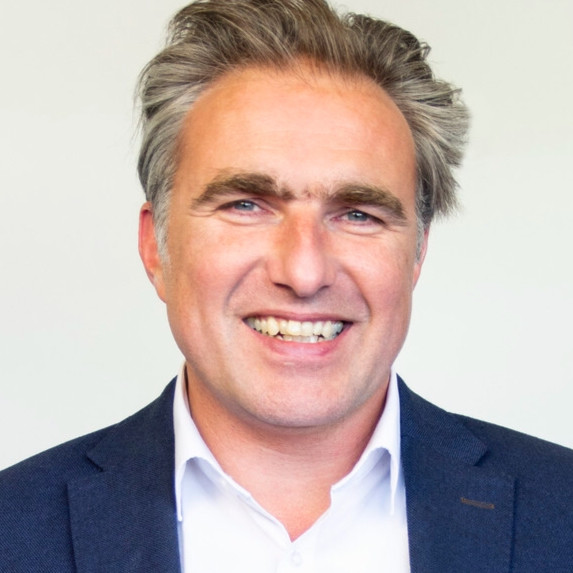
      Emile Bloemen

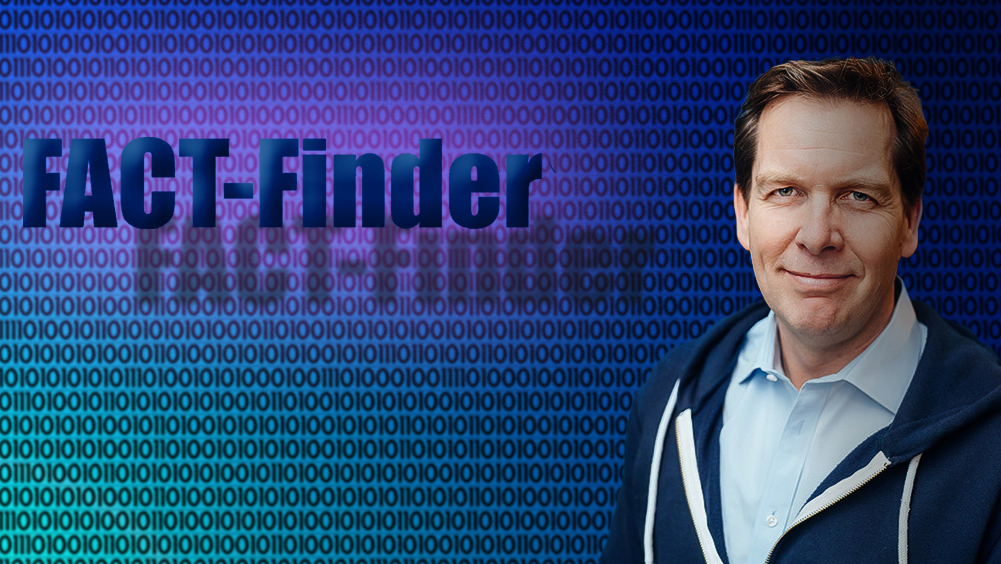
      Experience as Global VP at SAP Hybris and CEO of FactFinder

      Connects commerce expertise with customer journeys, product discovery and commercial growth. Helps identify where your own configuration adds value and how to test it alongside your existing commerce environment.

      LinkedIn profile
    • Bob Nieme

      Platform innovation

      Bob Nieme

      Entrepreneur in data and business innovation

      Connects your business model with new platform possibilities. Works with you to clarify which changes create value, how data and services work together and where a first working proof should start.

      LinkedIn profile

    An expert agent team needs ongoing attention.

    A skill describes a task. Expert work also requires connected knowledge, current sources, permissions and review. David brings this foundation together in business knowledge graphs: the concepts, facts, relationships and rules of your business. His TU/e PhD work on an adaptive knowledge engine for learning management systems now finds an application in the agent team. With the domain experts, he trains the team and keeps its knowledge current.

    David’s PhD research at TU/e
    Connect the knowledge
    Define business concepts, sources and rules in relation to each other.
    Train the team
    Equip specialists with context, examples, working methods and appropriate access.
    Review how it works
    Assess results with practical cases, exceptions and checks.
    Keep knowledge current
    Incorporate changes in your business and domain, then review again.
    The expertise behind the platform. Now alongside your business.

    Salesforce in CRM, Hybris in commerce and AFAS in ERP built trust through a vision for their domains. Businesses chose that expertise and bought the software that came with it. But a licence alone did not make the work fit: implementation experts and consultants still had to understand the business and translate it into the package. Beyond licences, this required further investment in configuration and change.

    Their knowledge goes beyond advisory hours. We embed it in business models, the configuration of the APPSS engine and the working methods of our agent team. Our experts keep guiding and reviewing the work. This lets them focus on your situation: what helps your business grow, what must be preserved and how do you move towards AI-native ways of working?


    First, see it work together.

    We start with one familiar process and your own customer data and examples. Our agent team implements the application; your domain expert and colleagues check the outcomes. If you want to replace a SaaS package, you first see how daily work can run on APPSS. Then we agree the transition.

    Discuss your situation
    1. Understand your situation
    2. Review a working proof
    3. Move forward in stages

    We agree scope, timing and migration together.

    First, your application. Then, we keep building with you.

    From the first idea to daily use: one team for design, development and support.

    1. 01

      Shape your idea together

      You bring
      You describe the work and what needs to improve.
      APPSS
      We agree scope, business rules, responsibilities and costs.

      A proposal you can review.

    2. 02

      Your first application

      You bring
      You review the design with your people.
      APPSS
      We configure APPSS, develop or connect your own frontend, test data transfer and guide the tested transition.

      An application that fits your work.

    3. 03

      Your next feature

      You bring
      You email the improvement you need.
      APPSS
      We clarify, develop and test. You receive an email when the change is available.

      Keep developing from your business knowledge.

    4. 04

      Support under your SLA

      You bring
      You use the application and ask your questions.
      APPSS
      We provide agreed operations, maintenance, monitoring and recovery under your SLA.

      One point of contact for continuity.

    The APPSS agentic team

    Ten characters. One team for your application.

    From the first question to everyday use, each character brings a different talent. Your people bring the business knowledge and make the decisions. The relevant team members join each request.

    Skills for your team
    Who are these ten, exactly?

    These names and characters make the AI roles in our way of working recognisable. The people behind APPSS remain responsible for their work. For each application, we agree which agents, skills, access and checks to configure. The conversations below are examples, not a live agent chat.

    Meet the team: characters, collaboration and skills
    • Raised eyebrow, glasses on top of her head and three sticky notes.

      AI role

      Noor

      The organiser

      Lovely idea. Which problem are we solving?

      Warm, direct and allergic to meetings without an outcome.

      Working with Noor

      Keeps the request, priorities and decisions together. Brings in the right colleague and makes the next step clear.

      What you get back
      A focused request, an owner and a next step.
      Your role
      You set the goal, priority and decision owner.
    • Questioning expression, short copper hair, a long angular face and a magnifier beside his face.

      AI role

      Finn

      The questioner

      “We have always done it that way.” Interesting. Go on.

      Curious. Especially about the things nobody has said yet.

      Working with Finn

      Makes business knowledge, terms, rules and exceptions explicit. Records which source takes precedence when systems disagree.

      What you get back
      A shared business model with examples and open questions.
      Your role
      You explain the real work and confirm what is correct.
    • A round freckled laughing face, pencils in her hair and a large pencil beside her face.

      AI role

      Pip

      The designer

      If you have to hunt for the button, I am not done yet.

      Inventive, visual and very fond of one less click.

      Working with Pip

      Turns the work into clear screens, messages and actions. Also considers the colleague who uses it once a month.

      What you get back
      A design and user journey your people can review.
      Your role
      Your users try the design with familiar work.
    • A thoughtful sideways smile, asymmetric black hair and a tiny paper house.

      AI role

      Ari

      The architect

      Just add another thing? Where will it fit?

      Sees the whole picture. Likes connections that will still make sense tomorrow.

      Working with Ari

      Keeps the business model, applications, agents and integrations coherent. Makes dependencies and the effects of a change understandable.

      What you get back
      A coherent design with system boundaries, agreements and trade-offs.
      Your role
      Your business and technical owners choose the appropriate setup.
    • One eye closed, tongue at the corner of his mouth and total concentration on a tiny screwdriver.

      AI role

      Dex

      The builder

      Good plan. I will make something we can actually try.

      Practical. Prefers to talk with something working on the screen.

      Working with Dex

      Implements the agreed model on APPSS and builds the required interface and integrations. Does not quietly change a business rule to make the code fit.

      What you get back
      A reviewable change that follows the agreed rules.
      Your role
      Your business and technical owners review the implementation.
    • A moustache, a surprised eyebrow and a cable bundle with one loose cable.

      AI role

      Ravi

      The data doctor

      Lovely dashboard. Where did that number come from?

      Curious, precise and not reassured by a tidy average.

      Working with Ravi

      Maps data sources, integrations, quality, lineage and freshness. Shows how data connects to the same recorded business terms and rules.

      What you get back
      A data flow with source owners, quality checks and unresolved source conflicts.
      Your role
      Your data owners confirm authority, meaning and required freshness.
    • A sceptical smile, short silver-grey hair and a tiny padlock.

      AI role

      Sam

      The guardian

      Everyone an admin? Lovely. No.

      Friendly and sceptical. Also asks the uncomfortable question.

      Working with Sam

      Makes access, permissions, privacy and allowed agent actions explicit. Reviews who needs which data and which checks fit the work.

      What you get back
      A proposal for access and data use, with risks and checks.
      Your role
      Your authorised owners confirm access, privacy agreements and acceptable risks.
    • An angular face with a crooked grin, silver hair, glasses on her head and a toy bug.

      AI role

      Tess

      The challenger

      I broke it. You are welcome.

      Sharp, precise and delightful until someone says “that never happens”.

      Working with Tess

      Tests everyday work, exceptions and access rights. Tries what should be forbidden and checks what happens when information is missing.

      What you get back
      Test results, issues found and a release recommendation.
      Your role
      Your process owner decides whether the result is good enough.
    • An unflappable expression, wild grey curls and an enormous coffee mug.

      AI role

      Lou

      The steady hand

      “Just put it live” is still a change.

      Calm, observant and not a fan of Friday surprises.

      Working with Lou

      Makes operations, monitoring, maintenance and recovery explicit. Connects an issue to the right version, owner and support agreement.

      What you get back
      An operating agreement, a controlled change or a clear incident picture.
      Your role
      Your operator and APPSS agree access, service and release decisions.
    • A broad gap-toothed grin, freckles and a short pencil behind one ear.

      AI role

      Bo

      The guide

      Fourth time I have heard that today. Time to improve something.

      Patient, practical and pleased when a question keeps coming back.

      Working with Bo

      Helps colleagues get started with clear explanations and familiar examples. Collects usage questions and brings recurring problems back to the team.

      What you get back
      Practical guidance, a usable work instruction and focused improvements.
      Your role
      Your colleagues try it in their own work and explain what is still difficult.

    Ten characters. Shared business knowledge.

    A request, business rule, decision and test result belong to the same case. Agents work from the same recorded sources and agreements. Missing information or conflicting sources becomes a question for the owner. Your people decide which information takes precedence.

    Your people belong in the team.

    A process owner who knows the exceptions. A colleague who uses the application every day. Someone from IT or operations when needed. They bring the real work, review the result and decide on changes.

    Your business knowledge belongs in the team.

    Finance, operations, CRM, ERP, customer service and data engineering each bring their own business skills. Your people contribute terms, rules and real examples. The team uses that shared knowledge across applications: the single version of the truth, with the authorised owner deciding when sources disagree.

    One question. Different talents.

    Choose a familiar situation and see how the team could work together.

    Example conversation

    A new feature

    Your team

    Can we require a recorded resolution before closing a customer case? Service may close it. Sales may read along.
    1. Finn · The questioner

      What counts as a resolution? And who can reopen a closed case? I would rather write down “that goes without saying”.

    2. Pip · The designer

      Service gets a clear resolution field. Sales can see the result, without a tempting Close button.

    3. Dex · The builder

      I implement the agreed rule and permissions on APPSS. The screen follows the same rule as the agent action.

    4. Tess · The challenger

      Tried without a resolution. Tried as Sales. Both correctly blocked. I test the happy path too, you know.

    5. Bo · The guide

      I prepare a short example for Service and Sales. Recurring questions go back to Pip and Finn.

    Your decision

    You review the change and decide whether it can be released.

    Example conversation

    Our process changes

    Your team

    Team leads should approve larger discounts from now on. How do we define that properly?
    1. Noor · The organiser

      First: which orders does this cover, and who decides? Otherwise we may mainly have built another meeting.

    2. Finn · The questioner

      What is “larger”? Is the threshold per order or per customer? I will include existing orders and absent team leads.

    3. Tess · The challenger

      I prepare cases just below, at and above the threshold. Edge cases are my favourite colleagues.

    Your decision

    Your process owner confirms the threshold, permissions and effective date before implementation.

    Example conversation

    Something goes wrong

    Your team

    Since the last change, some customer cases are no longer assigned correctly.
    1. Lou · The steady hand

      Which cases, since when and in which version? Let us get the picture clear. “Everything is weird” does not quite fit in an incident log.

    2. Tess · The challenger

      I try to reproduce it using permitted test data. Including the case that worked yesterday.

    3. Dex · The builder

      I use those findings to prepare a recovery proposal. We check its effect and the existing rules before anyone puts it live.

    Your decision

    The responsible person assesses the impact and decides on recovery under the agreed procedure.

    Example conversation

    Data and access

    Your team

    CRM and ERP show different customer details. Our service agent needs the right information and appropriate access.
    1. Ravi · The data doctor

      Which source owns each field, and how fresh must it be? I make the differences visible. A tidy average will not solve this.

    2. Ari · The architect

      We map how data and agent actions connect to the business model, including what happens when a source is temporarily unavailable.

    3. Sam · The guardian

      Which data does Service actually need? We agree read access, change access and what the agent may share separately.

    4. Tess · The challenger

      I prepare checks for stale data, conflicting sources and a role without access. A clear refusal is part of doing the job well.

    Your decision

    Your data and process owners confirm source authority, permissions and example checks before the integration is configured.

    Your business knowledge becomes a reusable skill.

    You do not need to become a prompt specialist. Start with your own words, examples and agreements. These nine work patterns help your team create context that is useful again next time.

    • Understand our business
      You bring
      What your business does, its terms, owners and trusted sources.
      Together we create
      Shared business context with sources, owners and open questions.
      With:
      Noor, Finn
    • Our process and rules
      You bring
      One real process, an ordinary example and an exception.
      Together we create
      Facts, steps, roles, approvals and rules you can check.
      With:
      Finn, Dex
    • Request an improvement
      You bring
      What is difficult, for whom and the outcome you want.
      Together we create
      A feature brief with scope, design questions and familiar acceptance examples.
      With:
      Noor, Pip, Dex
    • Review together
      You bring
      The agreed rules, the proposal and examples from your work.
      Together we create
      A review with evidence, findings and an explicit decision.
      With:
      Pip, Tess
    • Organise operations and issues
      You bring
      Owners, required support and a specific change or issue.
      Together we create
      Operating agreements or an incident picture with impact and a next step.
      With:
      Lou, Tess, Dex
    • Agree access and privacy
      You bring
      Who needs to do what, which data is needed and which agreements already apply.
      Together we create
      A proposal for permissions, data use, risks and example checks.
      With:
      Sam, Tess
    • Connect data and sources
      You bring
      Sources, data owners, terms, required freshness and an anonymised example.
      Together we create
      A data flow with source authority, lineage, quality rules and unresolved differences.
      With:
      Ravi, Finn
    • Design architecture and integrations
      You bring
      The business process, existing applications, interfaces and relevant constraints.
      Together we create
      A design with boundaries, dependencies and choices your owners can review.
      With:
      Ari, Dex, Ravi
    • Help people get started
      You bring
      A real task, recurring usage questions and the current way of working.
      Together we create
      Practical guidance and feedback on improvements for the team.
      With:
      Bo, Pip
    Download the team skill pack

    One SKILL.md with nine focused work patterns. Use it with your own AI team; this page installs nothing and connects no accounts.

    What is in the pack?

    The pack helps your AI develop business knowledge, requests, design, data, security agreements, acceptance, operations and adoption. A skill grants no system access and makes no changes. Integrations and permissions are configured separately.

    Your business sets the direction.

    Your software needs to remain understandable and manageable as your business changes. Code generation needs ongoing coherence and maintenance; with SaaS, the package’s choices help determine your options. We configure your data, permissions, rules and actions as a coherent business model on the existing APPSS engine. Your own process guides the work. Frontends and integrations can require development; together, we agree ongoing change and operations.

    Your SLA makes support specific.

    We define what we operate, how you receive support and who is responsible for each part.

    • Availability and maintenance

      Agreements on the chosen environment, monitoring, maintenance and availability.

    • Incidents and support

      Contact channels, service hours, priorities and the agreed response to incidents.

    • Recovery and responsibilities

      Agreements on backups, recovery and the responsibilities of APPSS, your organisation and other suppliers.

    We agree design, development work and the scope of operations and support upfront. Development work is separate from the server subscription.

    Explore services and pricing

    Getting started

    Do we need our own development team?

    No. You bring your business knowledge; we handle the agreed implementation. Start with a short project brief for your first conversation. Then we define the scope together.

    Are all new features included?

    Development work, budget and delivery arrangements are agreed separately from the server subscription. Your SLA describes the agreed support and operations. Requesting a feature by email follows those agreements.

    Can our own team contribute?

    Yes. Your authorised team can work through agreed CLI, MCP and API interfaces, using tools such as Codex, Claude Code or Google Gemini. Together we agree access, responsibilities, review and release.

    Shall we get to know each other?

    Start with your situation and ambitions. With the right expert, we agree a first step that fits your business.

    Start with an introduction