Van Donzel
Check order status
DataInbox looks up the current order status in iONE. A staff member takes over if the available information is insufficient.
APPSS · Application server for AI-native business
A customer asks where their order is. A supplier confirms a different date. Finance spots an invoice discrepancy. APPSS connects your systems, people and agents around the same business rules and makes the agreed tasks available as services.
One idea, your name and email. Then we get to know each other.
Explore everyday business tasksStart with work that comes up every day. Connect the systems and people needed to complete the task.
Van Donzel
DataInbox looks up the current order status in iONE. A staff member takes over if the available information is insufficient.
Mertens
The order from the ERP system and the customer record from the CRM come together. The order can proceed once all required checks have passed.
Xenos
Rabobank transactions from all stores are posted to the relevant general ledger accounts in AFAS. Processing is auditable from transaction to ledger entry.

Reference
AI agent KAI for tickets, payments and travel information on Ferryon.
“What we particularly value is the flexibility: as a ferry operator, we can manage so much ourselves in the app.”

Reference
Wmo passes and trip records from multiple operators come together in one complaint file.

Reference
Ongoing KYC between ERP and CRM, with people and agents.
More about Mertens
Reference
Internal questions and knowledge, with KOEK shaping the experience and APPSS as backend.
More about KOEK
Reference
Your news and knowledge, with explainable AI selection.
Visit DailyNexus AI (opens in a new tab)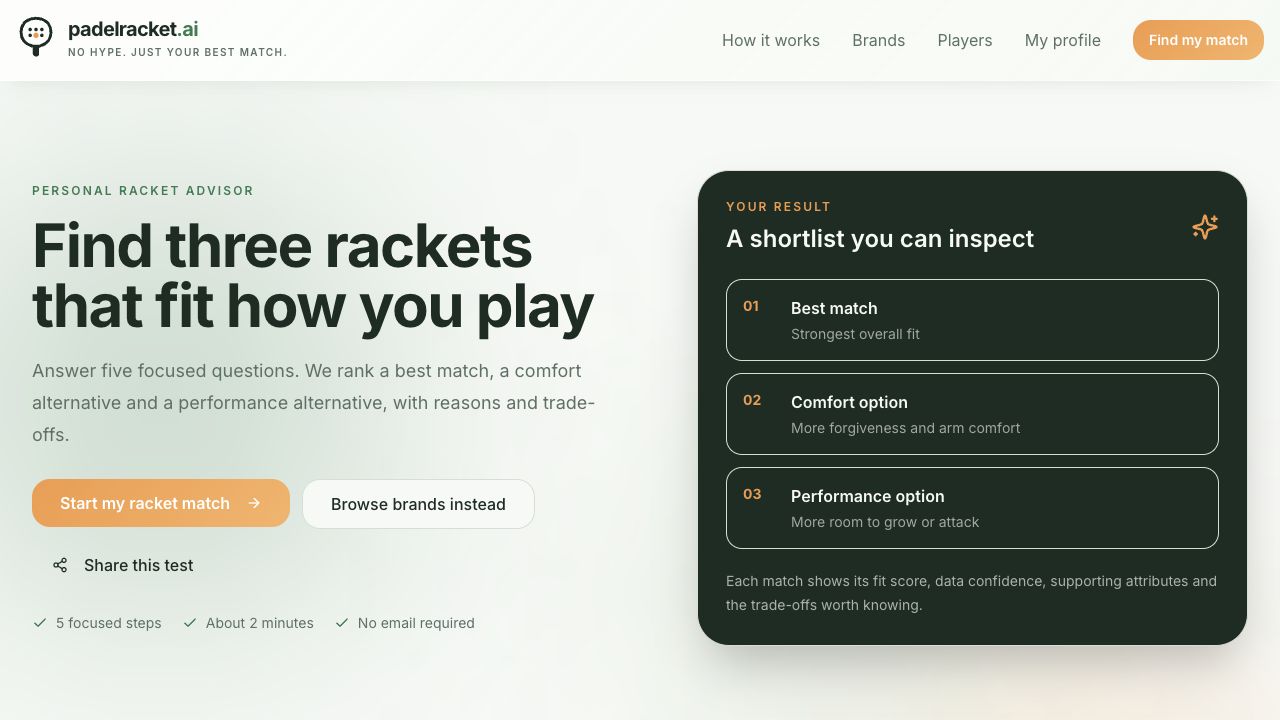
Reference
Racket advice from the retailer's own catalogue.
Visit Padelracket.ai (opens in a new tab)
Reference
Care pathways with healthcare professionals and Panton.
Visit HealthQIT (opens in a new tab)You define the data and actions that people and agents need for each task. The APPSS server applies those rules. To answer a delivery question, for example, an agent receives the order status and delivery date. Payment details stay out of the conversation.
From configuration to daily work
Configure and test with agents on the left. Choose your interface above the APPSS runtime. Use your template library and swappable AI models for your business context on the right.
Your business rules, privacy agreements and AI policy become testable configuration.
Agent roles with skills and project context



Your chosen AI tools help configure
 Codex
 Claude Code
 Gemini
GDPR · AI Act · your own policy
Validate, test and compare. Your authorised team approves changes.
ChatGPTClaudeGeminiAPIs and configured MCP tools
APPSS runtime
application server
Your data, business rules and process state remain the basis for every action.
The runtime checks every action. Human approval where agreed.
Start with a template from your existing library and configure it for your business process.
Choose one or more models for your business context.
Change the model connection, keep your business rules. Suitable models and connections are configured and verified for each application.
Your interface, templates and model choice grant no additional permissions. The runtime still checks every business action.
Configuration agents help define and test your agreements. Authorised executing agents do follow-up work within those same agreements.
Applicability, legal assessment and the required technical and organisational measures are defined and verified for each application.
chat validateChecks a dialogue suite locally without sending messages.chat runRuns agreed test dialogues on an explicitly selected channel and records replies. This is a live test that can activate agents and tools.chat compareCompares two test reports as a packet for review. It does not automatically approve content.These are existing Datainbox CLI capabilities for the chat layer. Agents help review the results. APPSS business rules, the frontend and real effects also need their own project tests; a chat report does not establish those.
New AI. Same way of working?
You give an agent a task. It uses a connection and returns an answer. But who shares the context, reviews exceptions and looks after the whole process? Without clear answers, your team keeps switching between isolated requests and systems.
Start with one process. Your people and our domain experts make goals, business knowledge and responsibilities explicit. The agent team helps configure and test the application on APPSS. Your people review how it works; together, we decide the next step.
Which situation do you recognise?
Your question for our expert team
An example of how our AI specialists discuss the configuration, guided by our experts.
The first step with APPSS
A focused service function alongside your existing systems, with agreed data and permissions.
Your question for our expert team
An example of how our AI specialists discuss the configuration, guided by our experts.
The first step with APPSS
Record the customer once, with the same agreed details available to the next department.
Your question for our expert team
An example of how our AI specialists discuss the configuration, guided by our experts.
The first step with APPSS
A manageable approval route around your existing order process, with a visible decision and next step.
Your question for our expert team
An example of how our AI specialists discuss the configuration, guided by our experts.
The first step with APPSS
From a standalone AI answer to a permitted business action within your configured process.
Your question for our expert team
An example of how our AI specialists discuss the configuration, guided by our experts.
The first step with APPSS
A targeted system replacement, designed around familiar work and shared data.
We keep the agreed data in sync between your applications, with no additional APPSS synchronisation charge. We define the authoritative source for each data item, so copies do not become competing systems of record.
Setup, access, synchronisation frequency and any external costs are agreed in advance.
Explore the pricing termsA different server need not mean a new way of working. A suitable portal or app you control can stay while APPSS takes over the business model behind it. We test the connection and daily tasks with your people.
Your people define the permissions and business rules. APPSS enforces which data agents may access and which actions they may carry out. Our experts review and guide the agent team. You decide what goes into use.
Bring one task that still takes manual coordination or retyping. Together, we create a working proof your people can review.
Discuss your first step